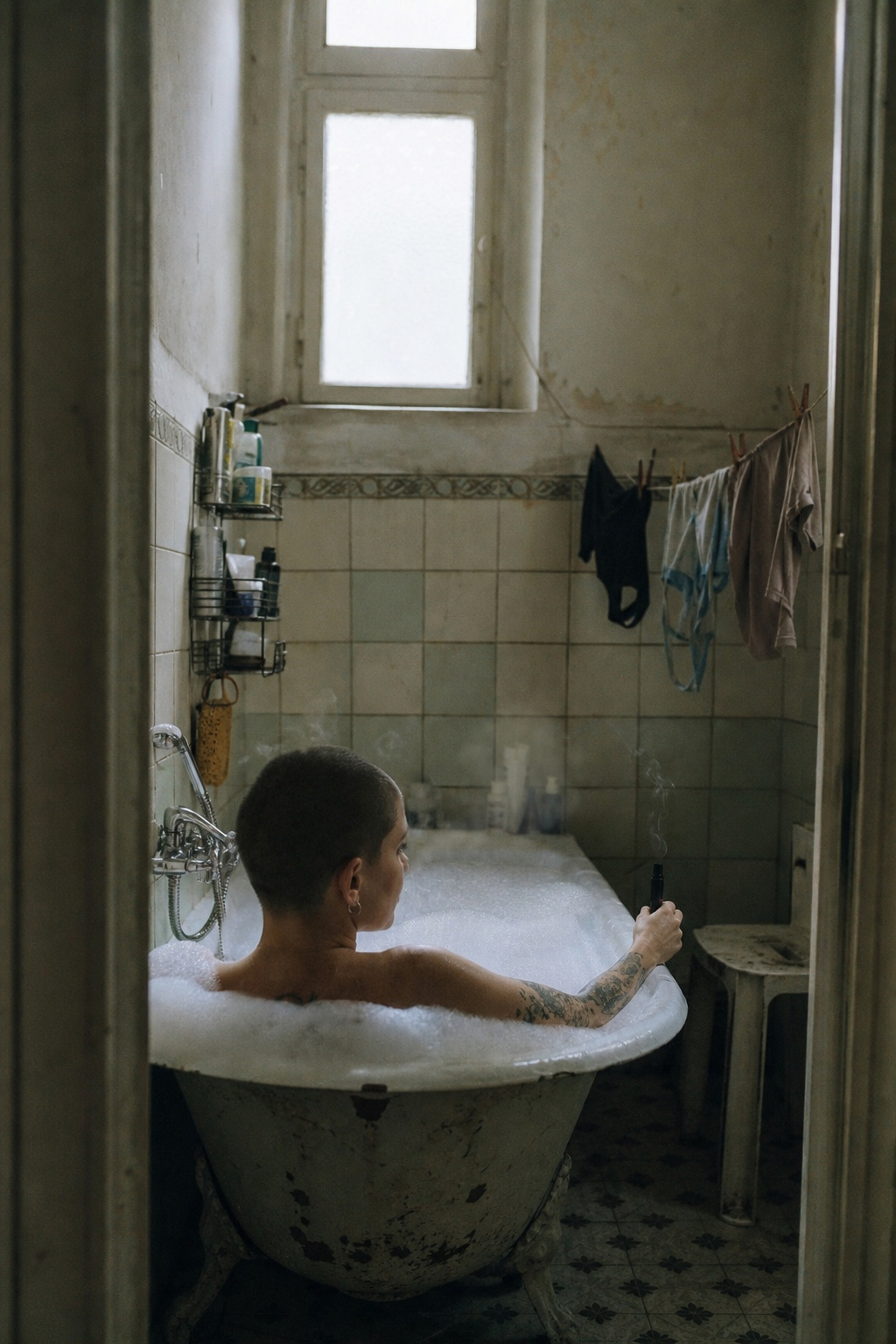
A feature film by Dorka Vermes
Places
Half Empty
An intimate portrait of a controversial love story in Orbán’s Hungary.
An absurd melodrama between two lonely women.
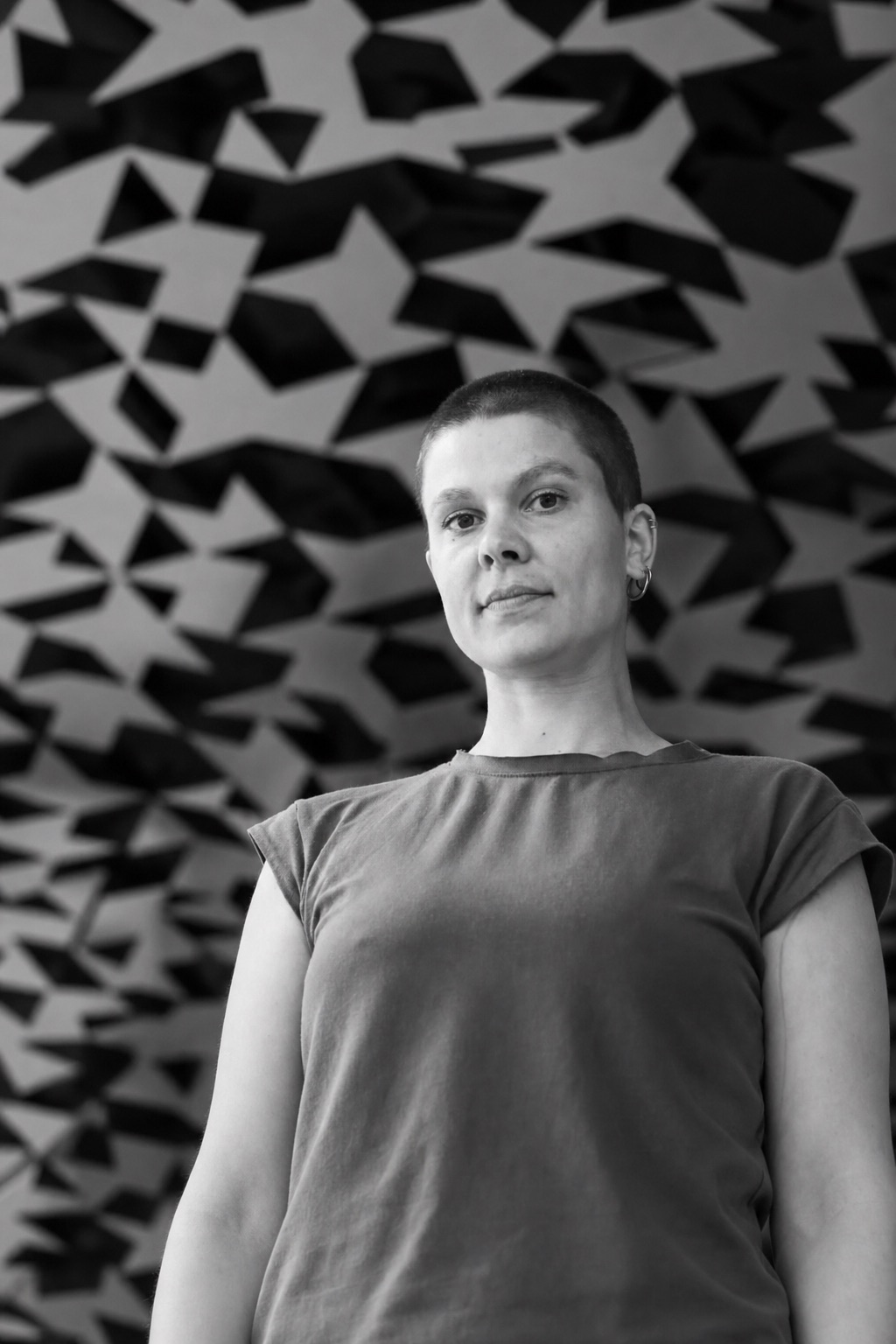
The two women
Noá — 33
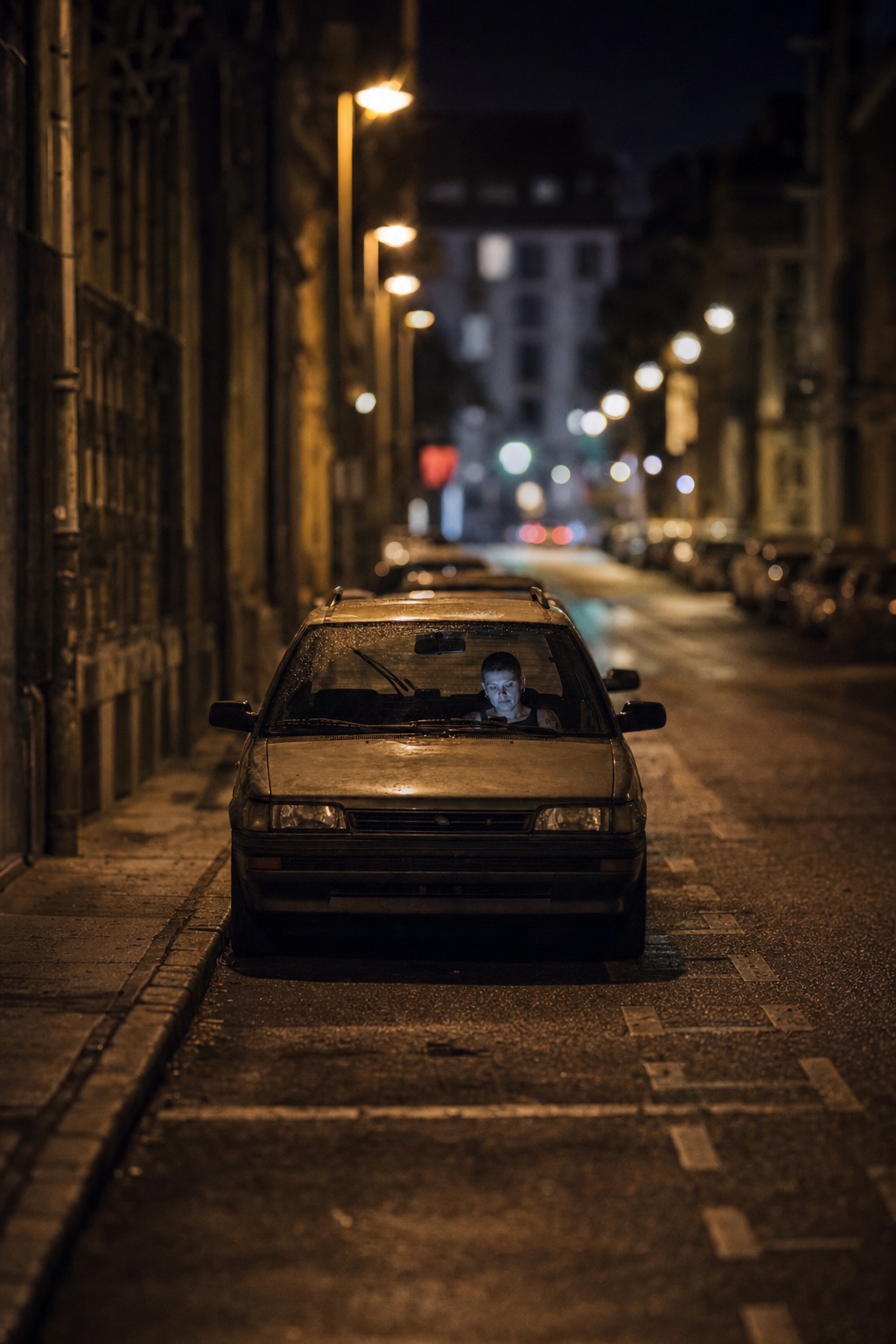
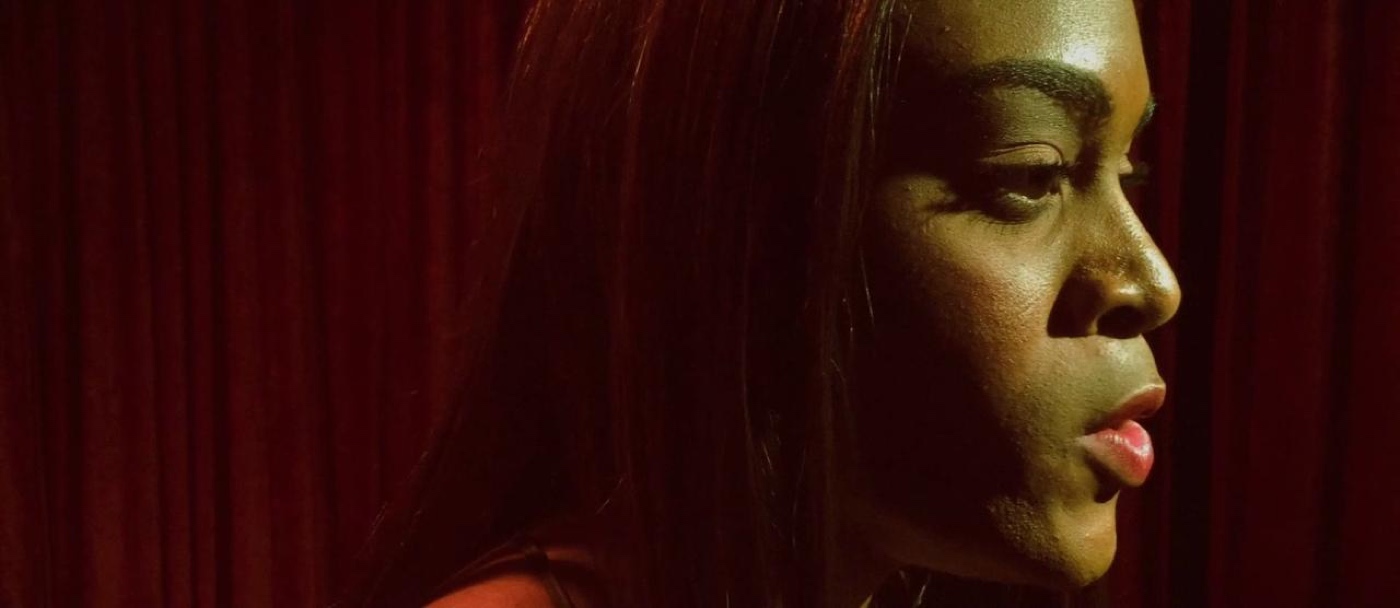
A streetwise outsider from the ghetto district. Buzzcut, tattoos, a sublet shedding its plaster. She drives an unlicensed cab, sells Elf-Bars illegally from the trunk, and plays slot machines on her phone between calls.
Abandoned by parents who moved to Germany without her, Noá is uncompromising and fiercely independent — a survivor who has built a life entirely on her own terms. Tough on the outside but deeply sensitive, she longs for stability and a place that’s hers, while fearing she’ll be left with nowhere to land.
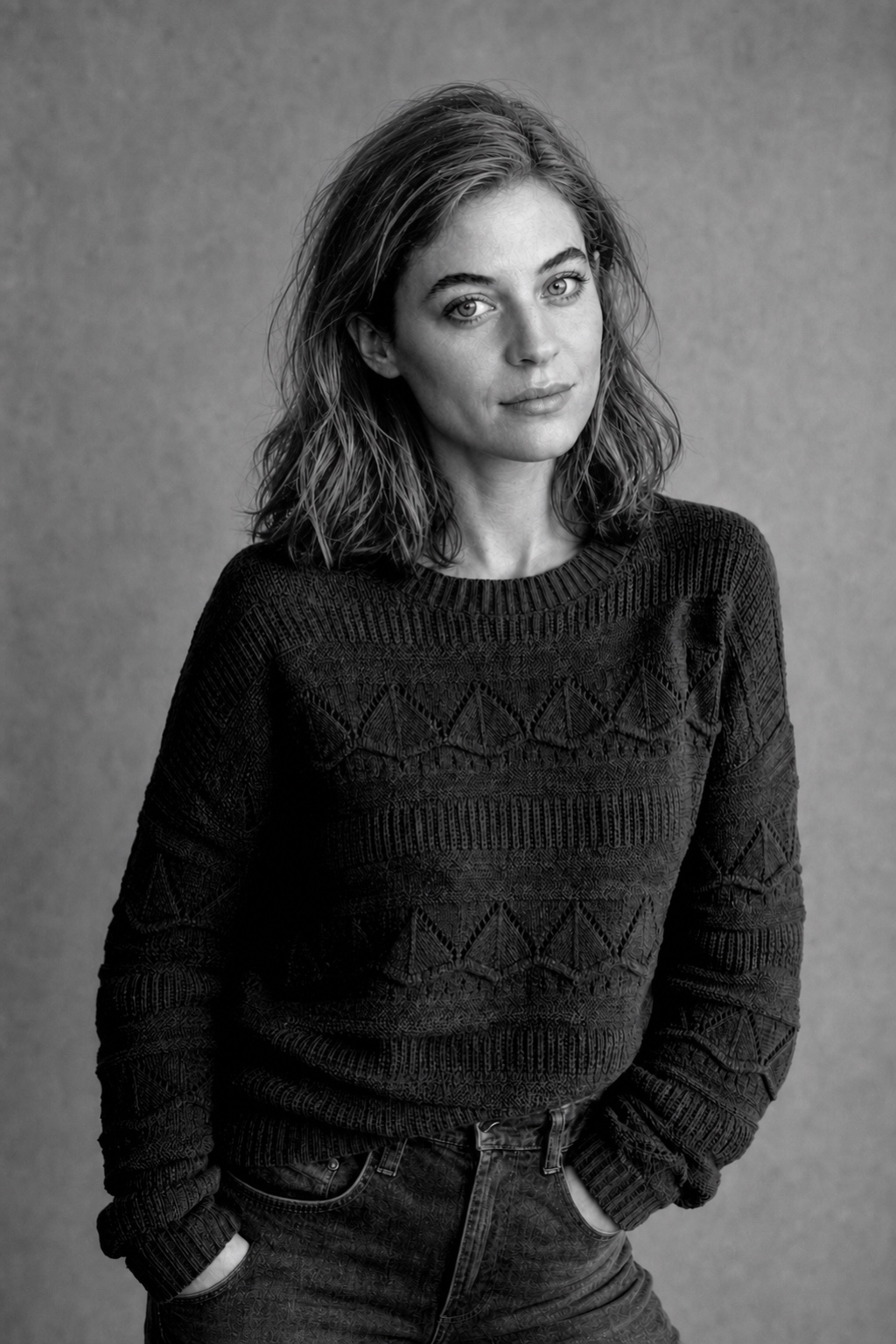
The two women
Juli — 40
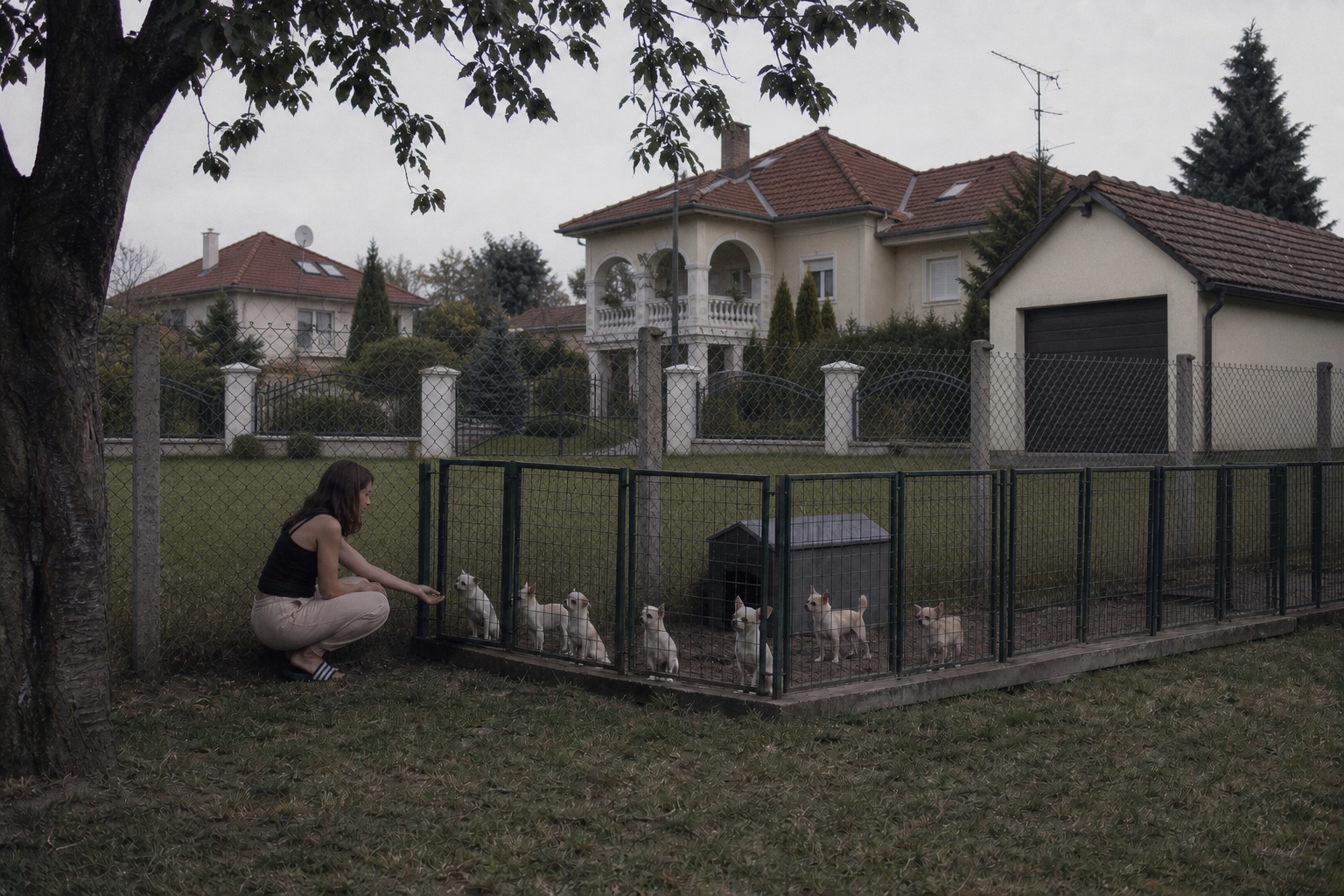
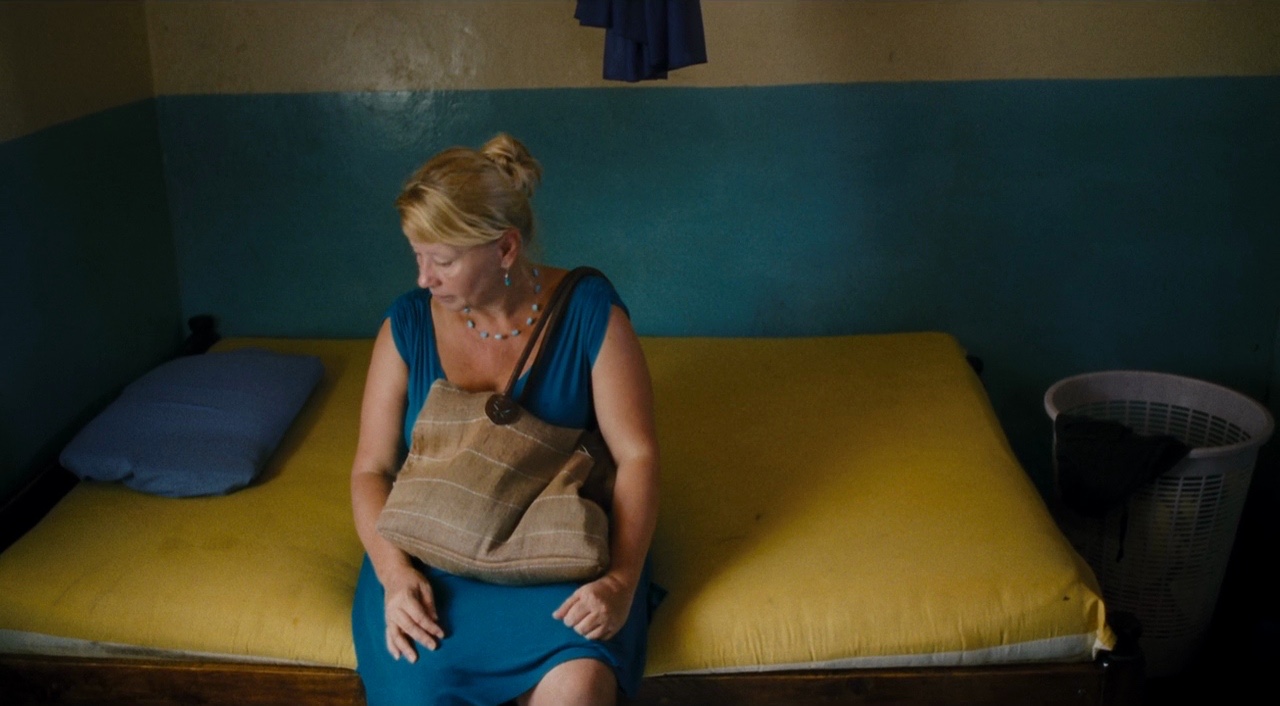
Runs a family Chihuahua kennel with her mother. They live in an elegant suburban part of Budapest, in a large family house where Juli has her own separate living space — technically independent, but never truly separate.
Deeply embedded in the family business and under her mother’s constant scrutiny, she has learned to survive by bending the truth to carve out small pockets of freedom for herself. As her mother’s emotional partner, she constantly manages her needs while suppressing her own. Juli longs for a life of her own, but fears what she might lose by choosing it.
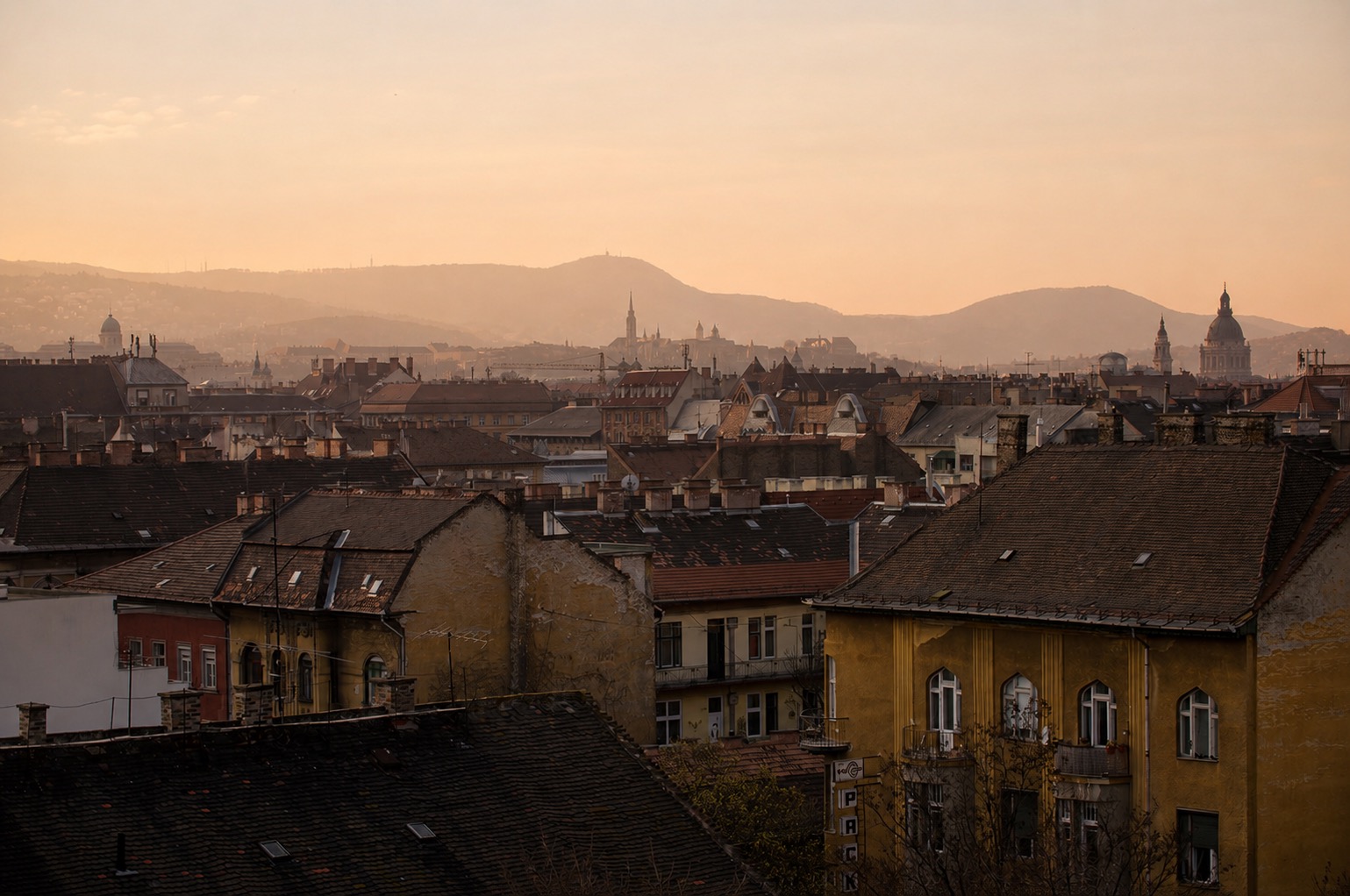
Budapest
Where the two women meet.
The story begins in Budapest. One day, outside an animal hospital, Juli gets into Noá’s taxi with three sneezing chihuahuas. This is where the two women meet, fall in love, and where both their worlds begin to unravel.
The premise
Two lonely women.
Both live in circumstances that leave little room for what they truly want. Juli is bound to a life controlled by her family; Noá is free, but has nowhere to belong. Each sees in the other something she desperately needs — Juli a way out, Noá a place to belong. Their relationship becomes a promise of something neither has been able to find on her own.
The spiral
A love built on lies that nonetheless remains true.
Juli’s family strongly opposes her relationship with Noá. To satisfy their expectations while holding onto Noá, Juli begins to live a double life. What first seems like a fragile but workable solution soon pulls them both into an ever-deepening spiral of lies and increasingly extreme situations.
The more they try to protect what they have, the more their invented reality begins to take over their real lives.
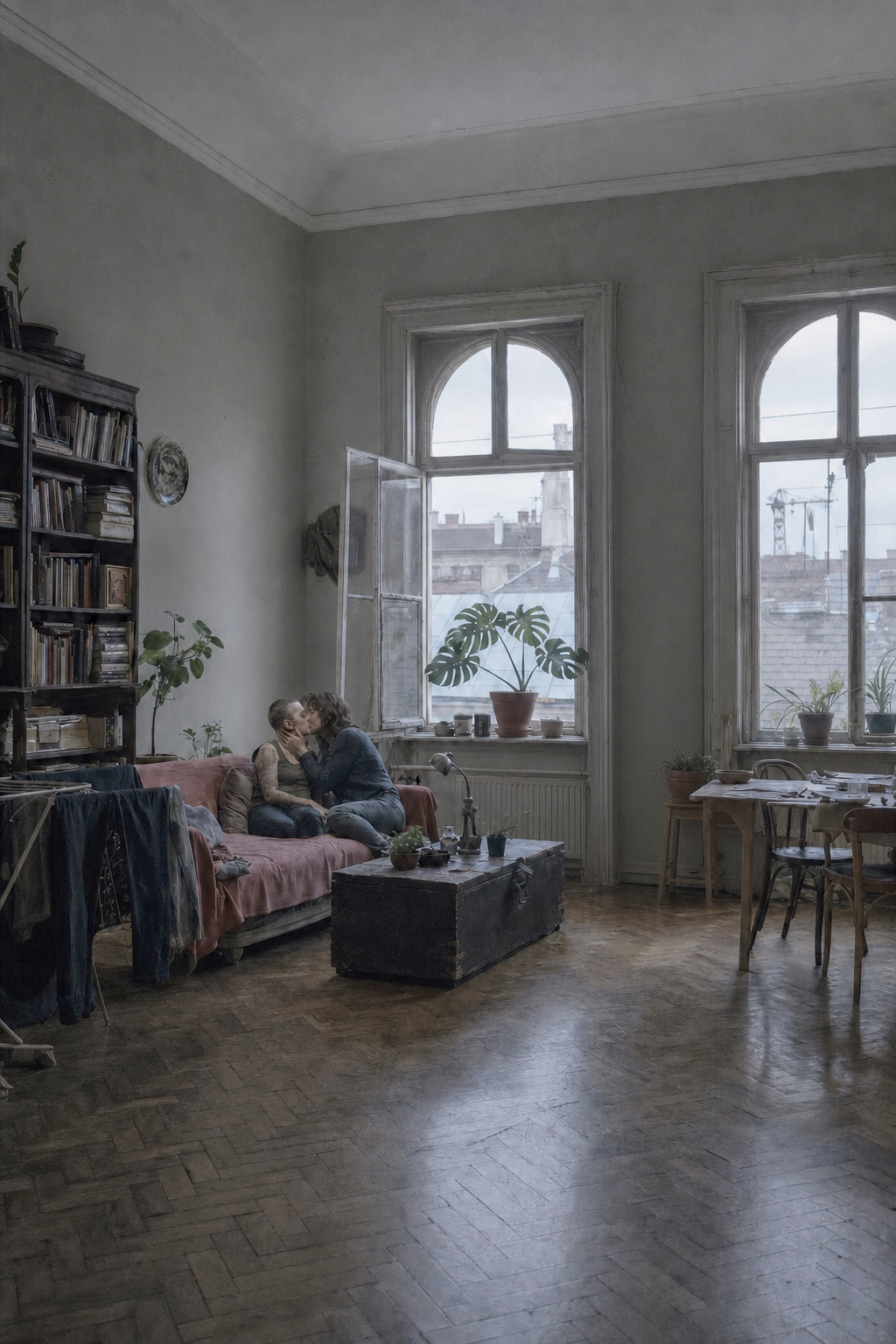
Yet even in the chaos, they keep finding moments of profound, instinctive intimacy — as if they could find a sense of home only in each other. But the deeper they fall into the lie, the more they begin to lose themselves.
The ghetto district
Noá’s place
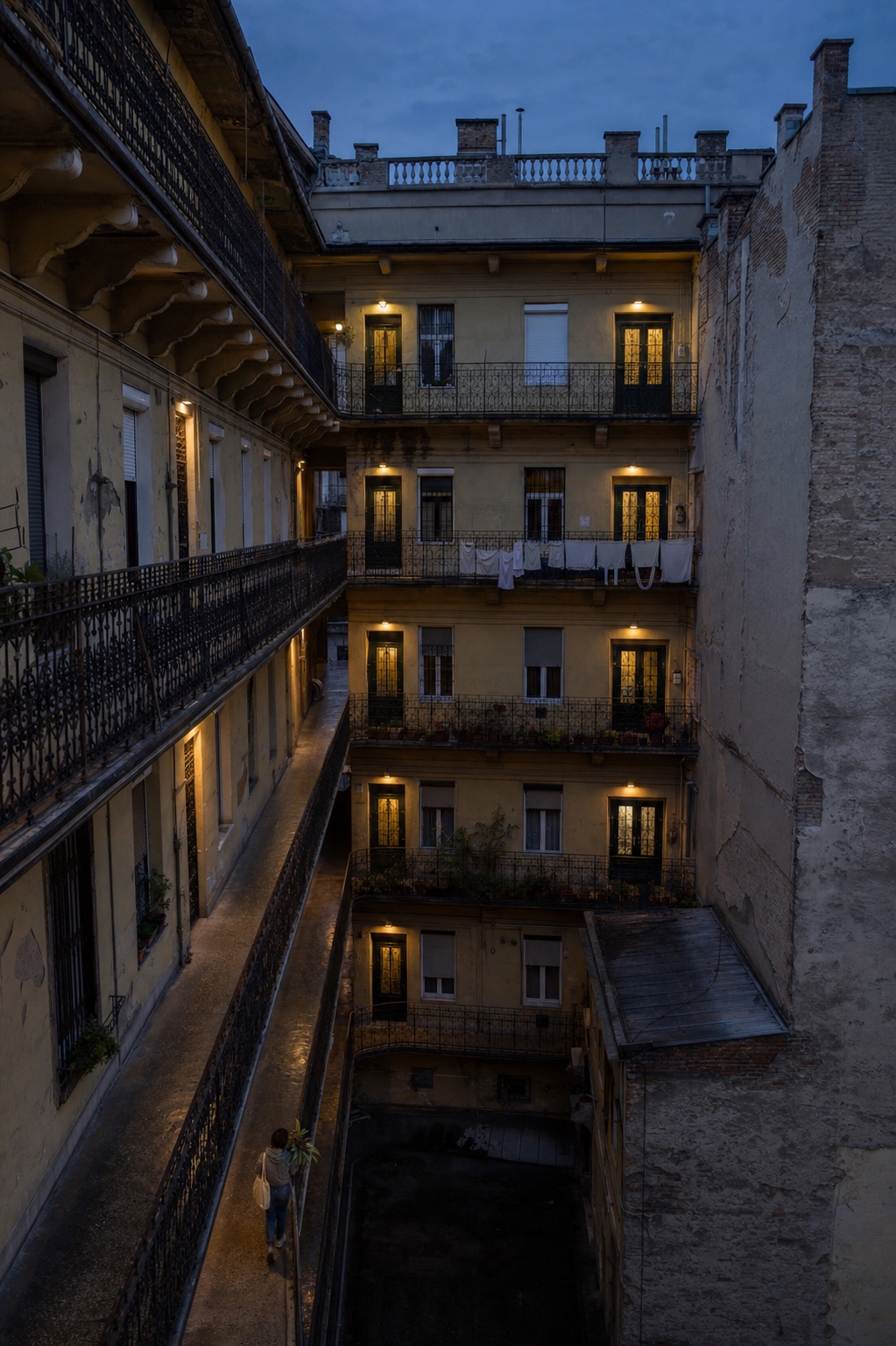
A single open-space rental in Budapest’s 8th district, shabby yet romantic, where personality compensates for dinginess. Two rooms joined, peeling plaster, curbside finds. Her door opens onto the gang — where neighbours spill into the street, strangers become familiar, and something is always happening. A lively but rough world, full of warmth, chaos and the occasional trouble — an extension of Noá herself.
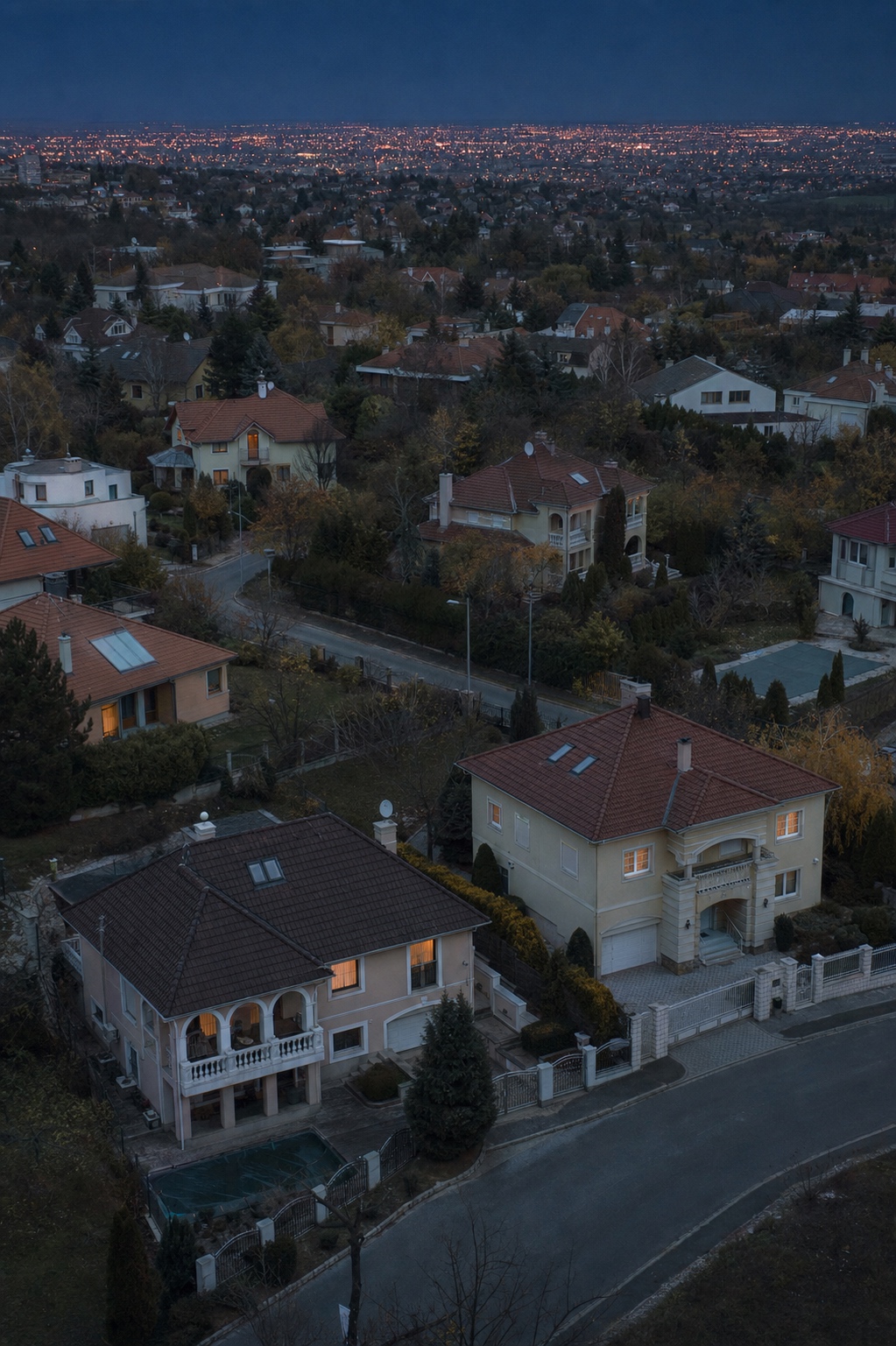
Affluent suburb, Budapest
Juli’s neighbourhood.
Quiet, leafy streets lined with detached houses. Small, well-kept gardens, low fences, parked cars. Everything clean and orderly, but lived-in. A quiet residential pocket, removed from the city Noá crosses every night, suspended in its own quiet reality.
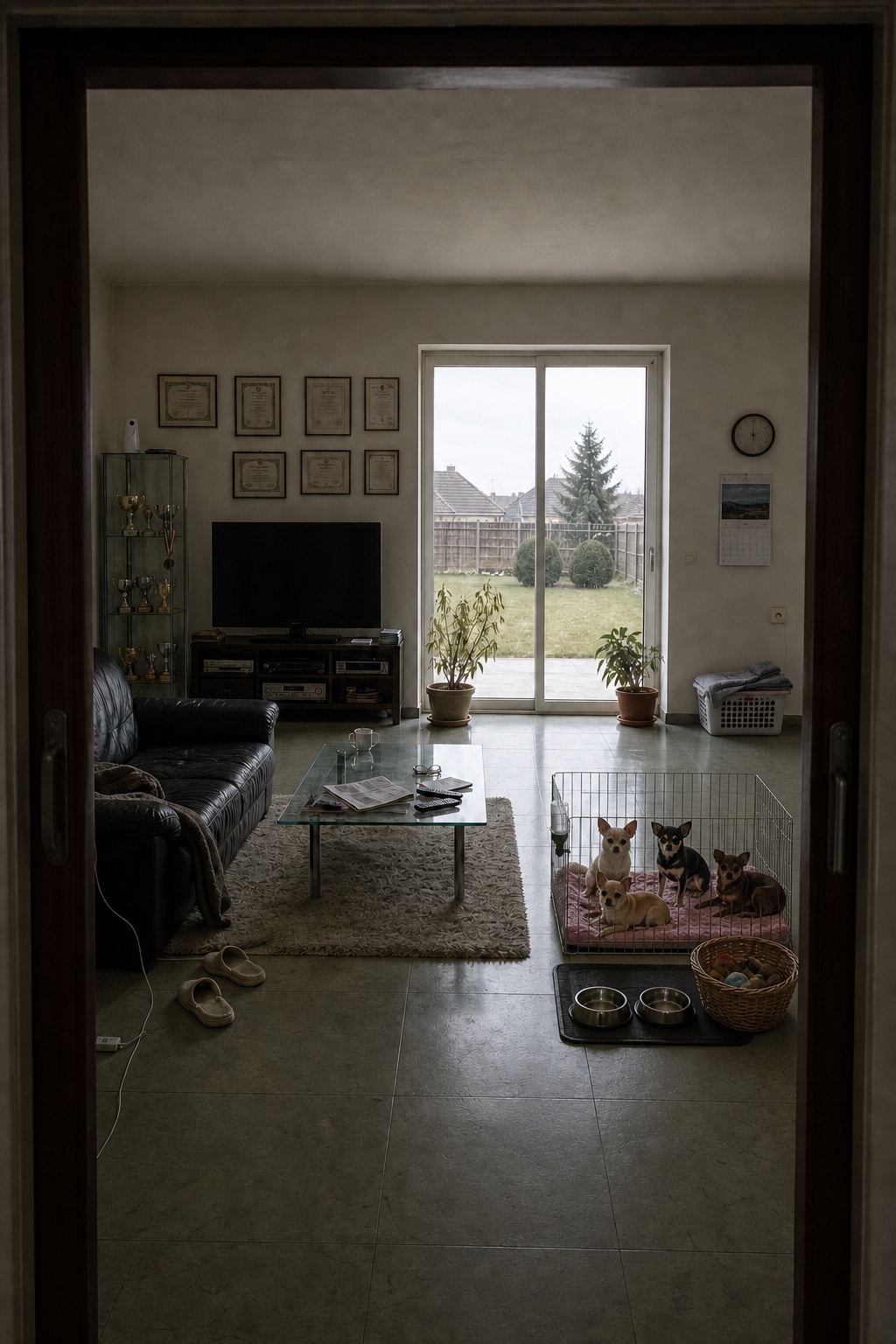
Affluent suburb, Budapest
Juli’s family house
A large, comfortable family home that never quite feels like Juli’s. She has her own separate living space, but never truly escapes the family’s presence. Everything is maintained, controlled, and kept in its place. A life of comfort she pays for with the cage she sleeps in.
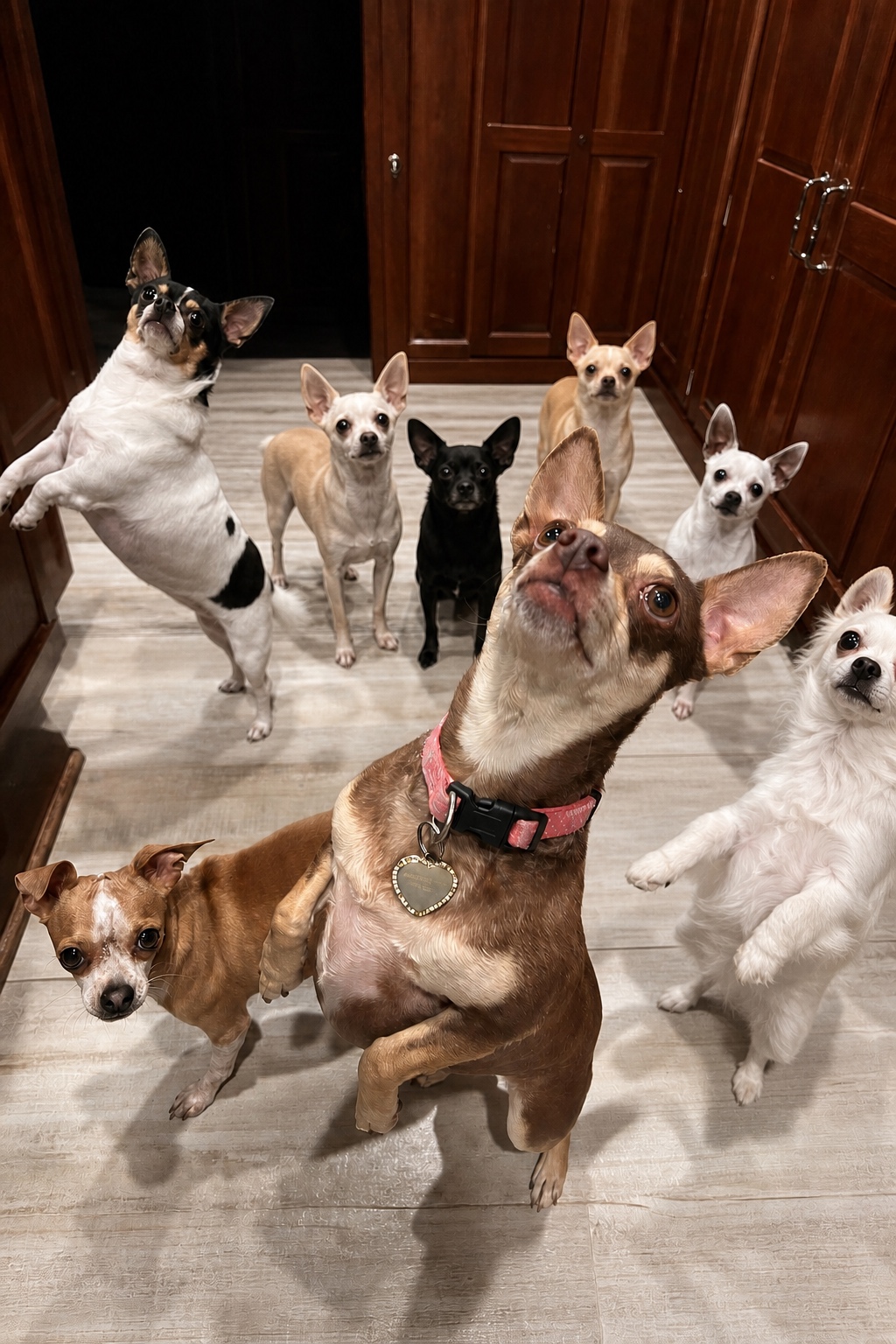
The chihuahuas
Silent witnesses.
Uncanny companions.
The Chihuahuas are a constant presence in Juli’s life — silent witnesses to the relationship as it unfolds. Their strange, almost grotesque appearance and ever-present companionship bring a touch of absurdity to the drama, gently loosening its tension and letting the story breathe.
Social & political context
Fears, dependencies,
survival strategies.
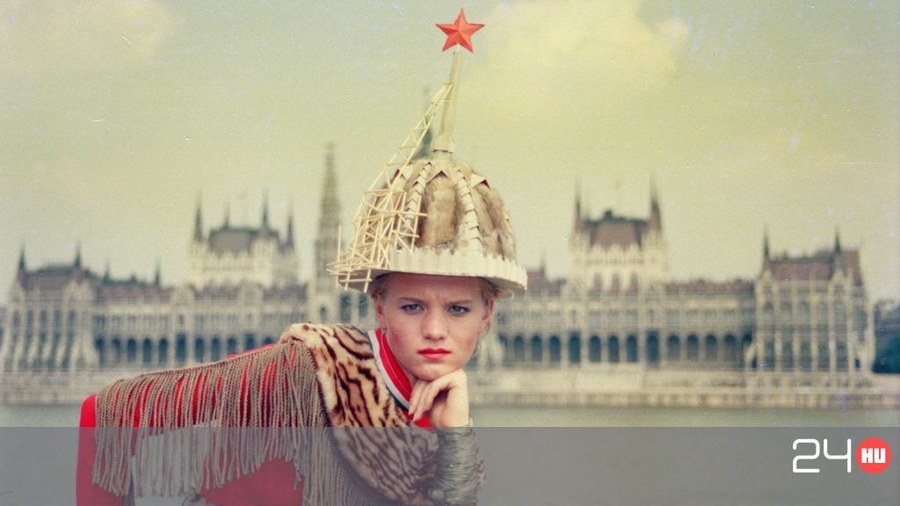
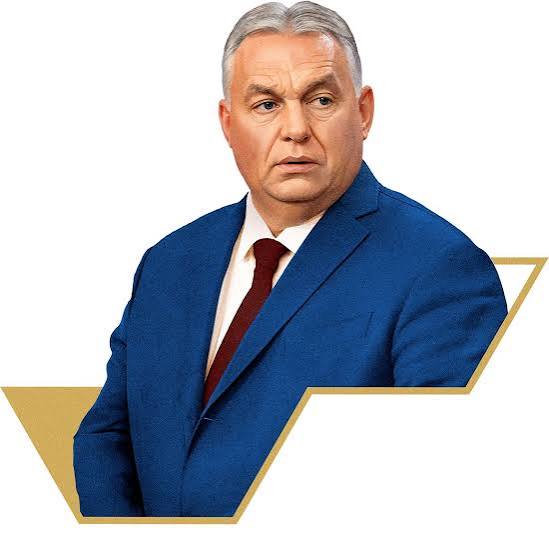
Places Half Empty is first and foremost an intimate love story, but the presence of Orbán’s Hungary is felt throughout — not through overt political commentary, but through the characters’ fears, dependencies, and survival strategies.
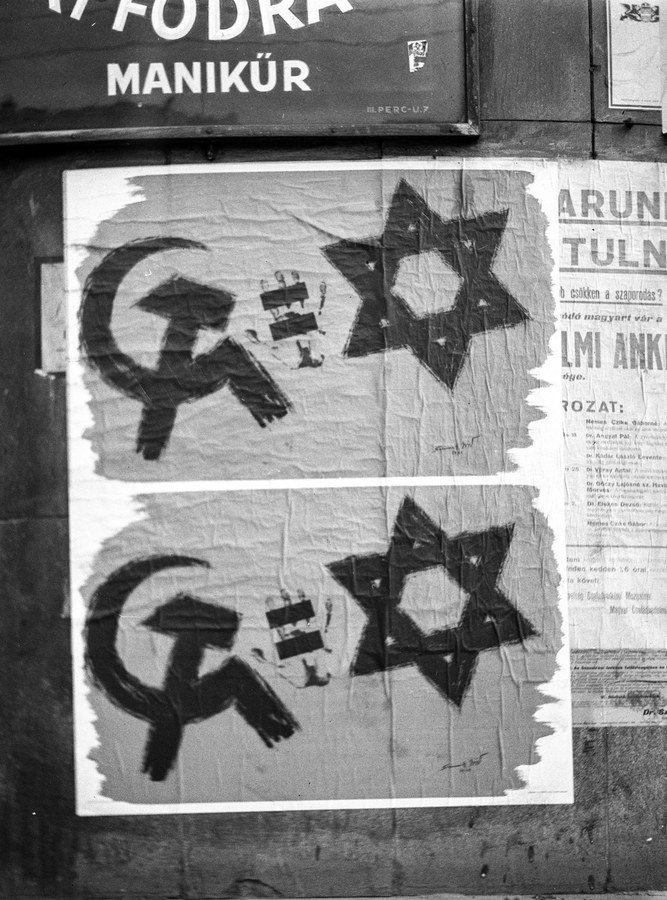
The story takes place in the final years of the Orbán government, in a society where three generations still live with the consequences of a past that has never been fully confronted, processed, or reckoned with — from the Holocaust and communist dictatorship to the chaotic transition to democracy.
The film does not address these histories directly. Instead, their effects surface in how people are conditioned to behave — to keep their heads down, read the room, conform when necessary, distrust institutions, and rely on informal networks of dependence. Orbán’s government has understood and reinforced these instincts, building on a distinctly post-communist, feudal logic of dependence that still runs through everyday life: everyone depends on someone higher above, and people learn to anticipate what is expected of them — and adjust their behaviour accordingly. But even those who refuse to conform are shaped by the same system, carrying its fears, pressures, and survival instincts with them.

Director’s statement
This film draws deeply from my personal experiences. At first glance, it may seem that this love is destroyed by external pressures — by circumstances and social expectations. But gradually, it becomes clear that these obstacles have already been internalized, shaping both characters’ choices and, ultimately, their downfall.
The film is built on the contradictions of love. It is the tension between what is false and what is true that lies at its heart.
To preserve this tension, we are further developing the script through improvisation. Dialogue and situations will be shaped around the actresses and through their performances — allowing us to preserve the authenticity, honesty, and originality of the story.
The film draws on a tradition of Eastern European cinema while leaving room for absurdity, dark humor, and moments of heightened reality.
Visual plan
A film about faces and
places — shot on film, in 4:3.
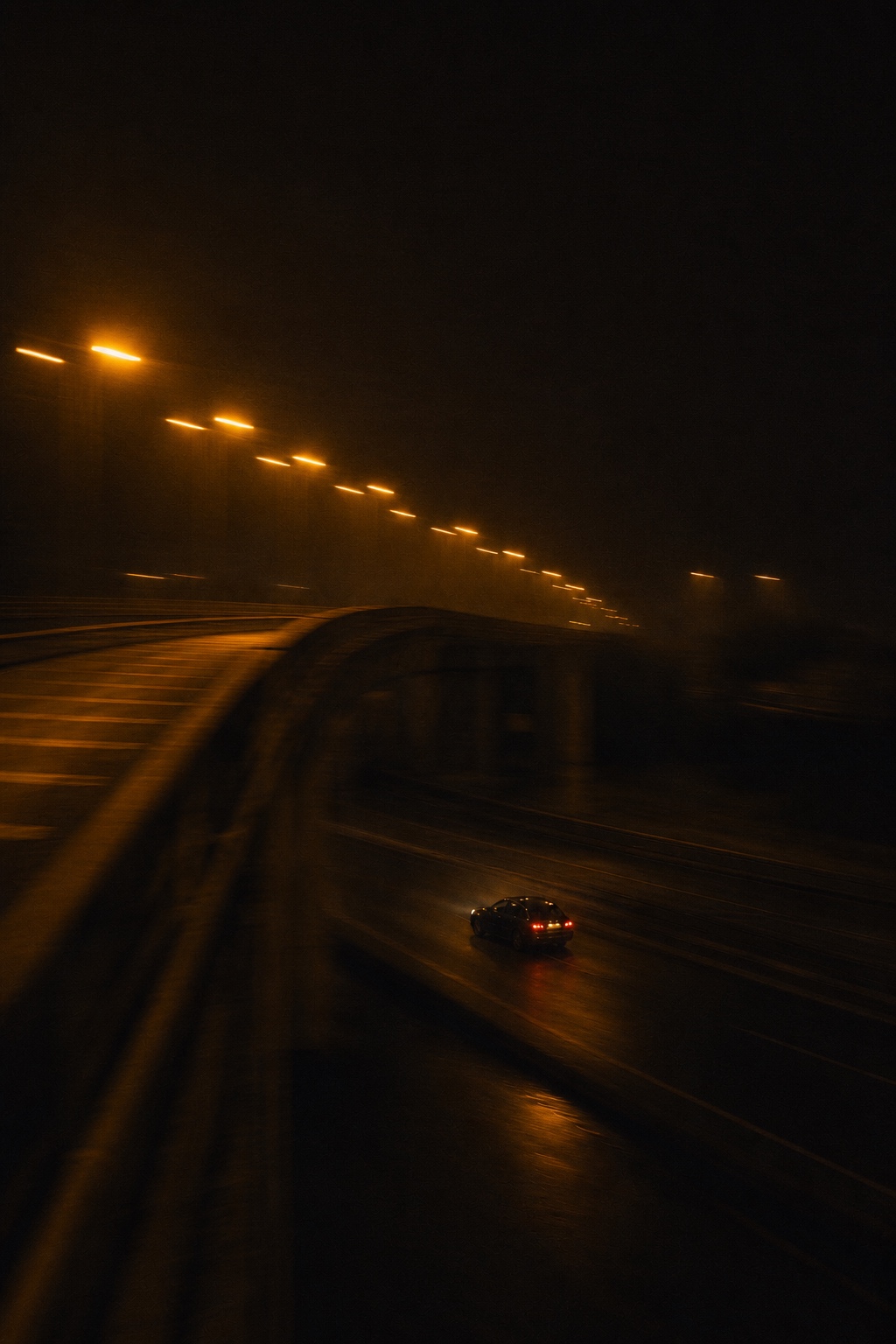
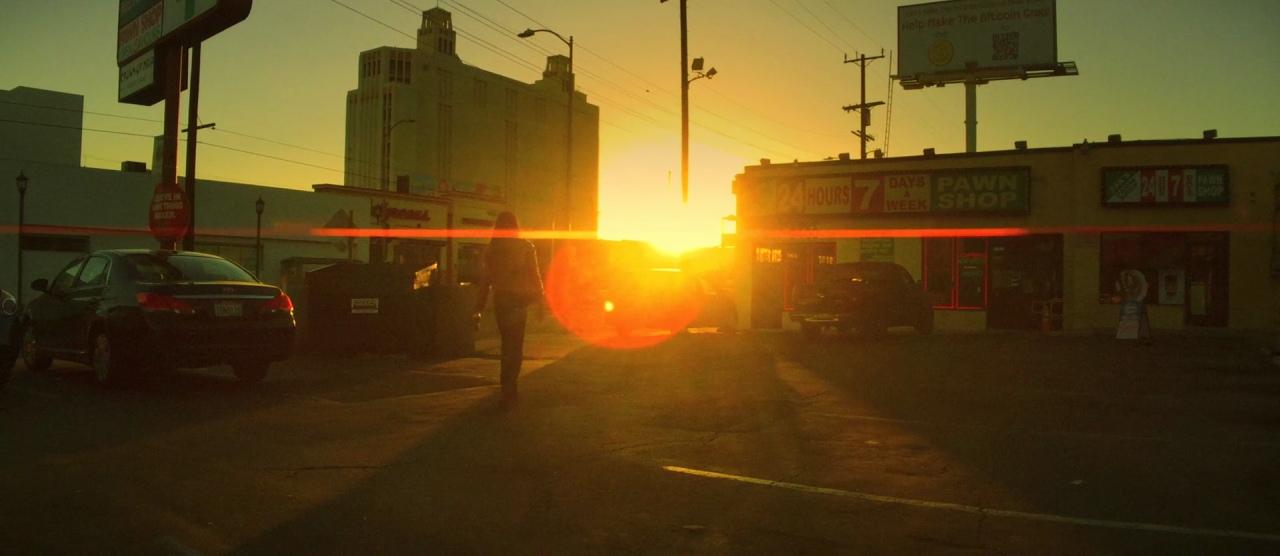
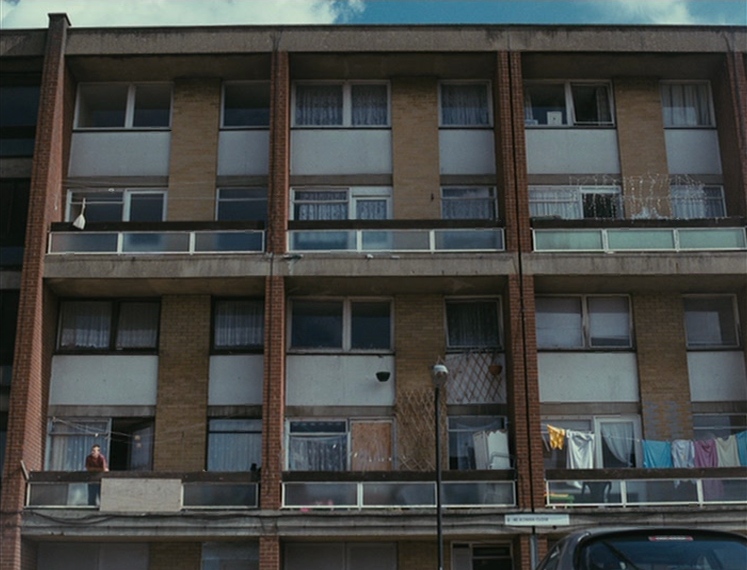
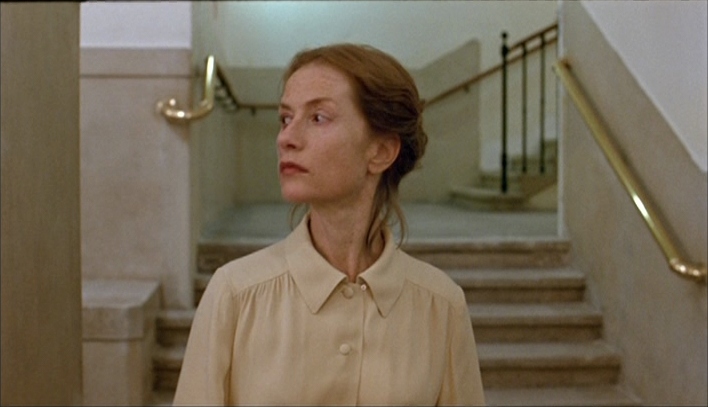
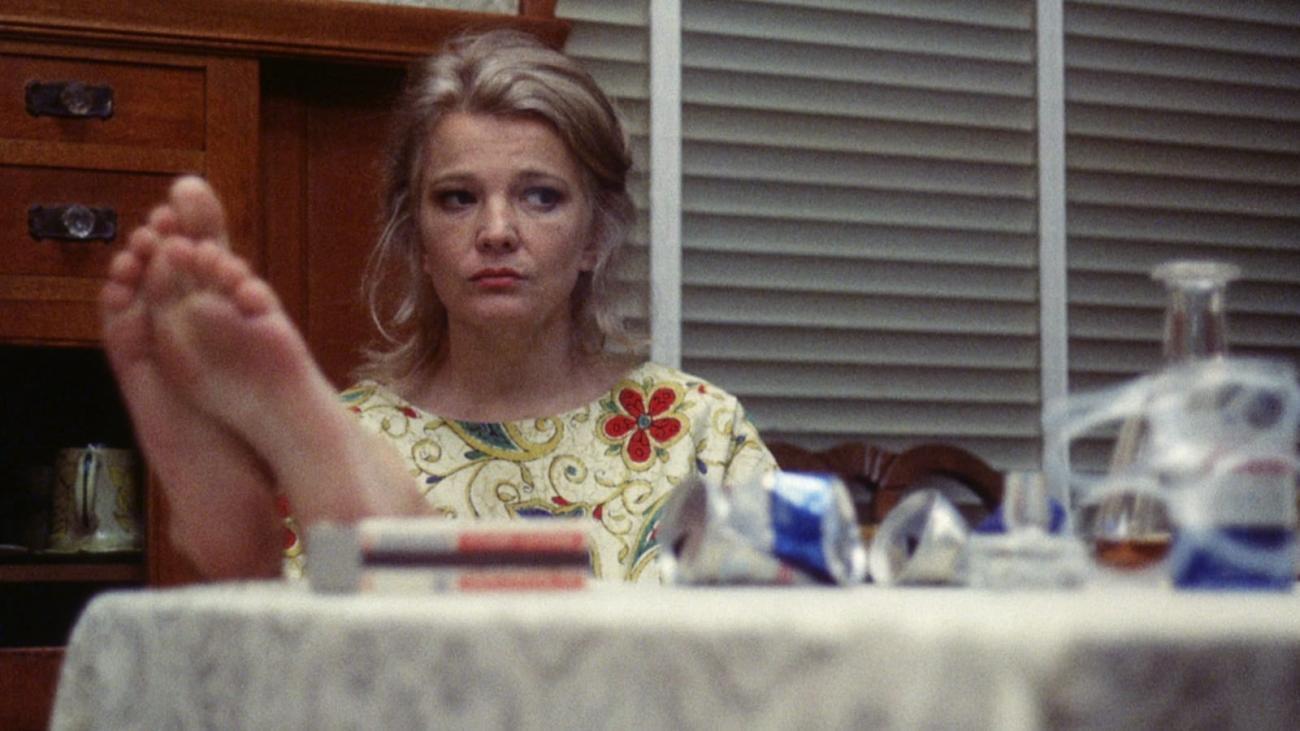
Places Half Empty combines emotional intimacy with an observational, minimalist form. The 4:3 frame allows us to hold faces and spaces within tight, expressive compositions. Long takes create space for performances to unfold naturally, allowing tension to build through glances, silences, and the physical distance between characters. Locations function as emotional extensions of the characters. Visually and tonally, the film draws primarily from Ulrich Seidl, John Cassavetes and early Béla Tarr.
Team

Dorka Vermes
Director · Writer
Her debut feature, Árni, premiered at the Venice Film Festival. A protégé of Béla Tarr, she worked closely with him, and he served as producer on both Árni and Places Half Empty until his death. Dorka’s work explores human vulnerability, queer identities, and strong atmospheres that carry emotions beyond words, focusing on fragile, contradictory, and unnamed emotions that resist easy definition.

Tamás Papp
Cinematographer
London-based cinematographer. Credits include Dune: Part Two and Project Hail Mary (virtual cinematography), developed through close collaboration with Greig Fraser. His work moves between large-format studio productions and intimate, character-driven storytelling.

Enea Gramo
Producer
Tirana-based producer, founder of Art Film sh.p.k. Previous productions include The Delegation and A Peaceful Sunday. Alumnus of EAVE, Rotterdam Producers Lab and ACE Mentoring EU. Places Half Empty marks his first Central European co-production.